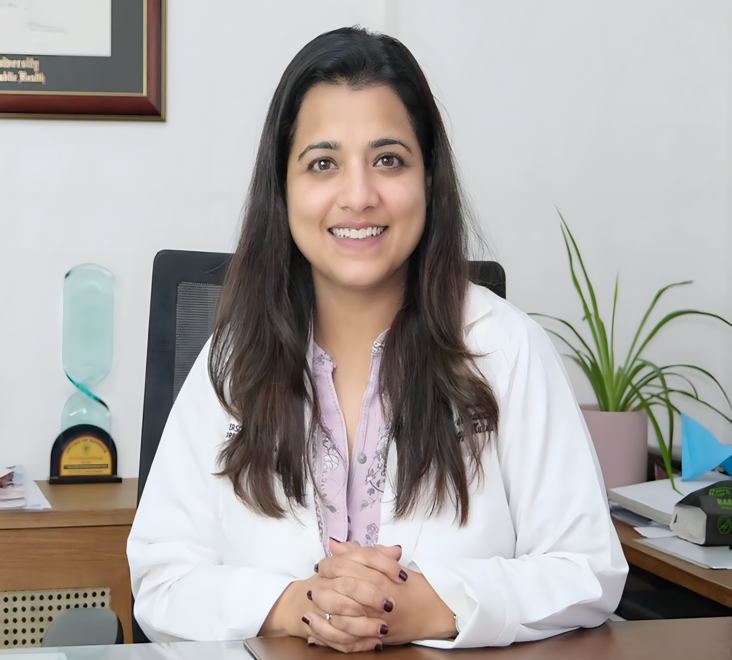
Dr. Nidhi Rawal
MBBS (LHMC), MD (USA), DM (USA), MPH (USA)
Senior Pediatric Gastroenterologist and Hepatologist
Diplomate, American Board of Pediatrics
Diplomate, American Board of Pediatric Gastroenterology, Hepatology and Nutrition
Director and Founder of the Center for Pediatric Gastroenterology
About Dr. Nidhi Rawal
Dr. Nidhi Rawal is an American Board-certified Pediatric Gastroenterologist and hepatologist with extensive experience in both the United States and India. Her career reflects a commitment to advancing pediatric healthcare, particularly in gastroenterology and hepatology.
Conditions Treated
Expert Solutions for Growing Stomachs





Real stories of exceptional care and transformative smiles


 Trustindex verifies that the original source of the review is Google.
 Trustindex verifies that the original source of the review is Google.
 Trustindex verifies that the original source of the review is Google.
 Trustindex verifies that the original source of the review is Google.
 Trustindex verifies that the original source of the review is Google.
 Trustindex verifies that the original source of the review is Google.
 Trustindex verifies that the original source of the review is Google.
 Trustindex verifies that the original source of the review is Google.
 Trustindex verifies that the original source of the review is Google.
FAQ
Frequent stomach aches can have many reasons, including mild gastritis, constipation, gassiness etc. Make sure your child is eating a high-fiber diet, has good water intake, has good quality sleep, and is physically active.
Gut Protocols are designed to improve gut health, where the gut is inherently compromised due to an altered gut microbiome, and poor gut motility, as is known to happen in ASD. Gut protocol not only keeps gastric issues at bay but also improves behavioral challenges and attention during therapies for kids with ASD.
Yes, Guidelines recommend blood testing for immediate family members of the person who has been diagnosed with Celiac Disease. This helps to avoid growth failures and other complications of undiagnosed and untreated Celiac disease.
Our Feeding Support Program is built for children 1-10 years of age, where we perform an in-depth assessment of feeding patterns, and any underlying medical conditions that could contribute to feeding difficulties, and also assess for weakness of the chewing muscles (Oro motor apraxia). We conduct 1-3 sessions per week depending on the needs of each child and family, which also includes family training to carry out the rest of the meals at home. On average, 3-4 weeks in our Feeding Support Program can result in significant improvement.
Endoscopy is a simple and informative technique to evaluate your child's stomach and intestines. It is quick and completely painless when combined with low-dose sedation. A diagnostic endoscopy doesn't involve any cutting or surgical intervention and there are no long-term effects of endoscopy. Most children wake up within 10-60 minutes, which varies from child to child. The patient can resume normal activities the same day.